
Tips from Homni on Sic Mulher: How to treat hair with oily roots and dry ends?
This tip was presented in Avani Professional’s monthly feature on Sic Mulher’s What’s UP program, broadcast on 16 November.
If you want to see the full report, you can do so on What’s UP TV at this link: Watch Report
DO YOU HAVE OILY ROOTS AND DRY ENDS?
This problem is common and generates frustration because we’re talking about an antagonism – having an oily scalp on the one hand and dry hair ends on the other.
When the scalp produces an excessive amount of sebum, the roots become oily. However, in some cases, even with an oily root, there can be the simultaneous problem of dry or damaged ends due to dehydration.
In order to proceed with the appropriate treatment, it is first necessary to understand the causes of this problem.
WHAT FACTORS INDICATE THAT YOU HAVE THIS PROBLEM?
– Oily roots a day or two after washing and brittle ends.
– Chemical procedures such as coloring or bleaching on scalps with a natural tendency to be oily.
– Irritated scalp and brittle ends.
WHAT ARE THE POSSIBLE CAUSES OF OILY ROOTS AND DRY ENDS?
Oily roots are a consequence of excessive sebum production (oiliness) which can be caused by different factors, such as: dermatological skin conditions (seborrheic dermatitis, eczema/psoriasis, acne), genetic factors, external factors (climatic factors, sun exposure) and hair care (washing, procedures).
1. Dermatological conditions:
If you have this problem, we recommend that you visit a dermatologist.
2. Genetic factors:
Our genes determine most of our physical characteristics. You are likely to have an oily scalp if this is a characteristic of a close family member. On the other hand, genes can also influence hair texture and thickness. People with thin hair are more likely to have an oily scalp.
3. External factors:
Sun exposure: excessive exposure to UVA rays and UVB can affect the health of hair, leaving it extremely dry. Excess sun exposure breaks down the cuticle, which is the outer layer of the hair shaft, causing severe hair dehydration.
Extreme weather conditions (heat or cold): this is a difficult factor to control, but it has a major impact on hair health. Too hot or too cold can have a huge impact on the health of your hair, which can become very dry or brittle.
4. Hair care:
Over-washing your hair: It’s not good practice to wash your hair every day. Although shampoo cleanses and removes impurities from the scalp, washing too much can be harmful, because even though it may seem counterintuitive, it can contribute to the problem of excess oil at the roots. This is because by removing the scalp’s natural oiliness through excessive washing, the body may produce too much of it to compensate. On the other hand, excessive washing can also dehydrate the mid-lengths and ends, contributing to brittleness.
Heat tools: the use of heat tools is very common nowadays, however, no matter how beautiful your hair may look at the moment, the impact on its health will always be very great. Over time, hair becomes increasingly damaged, making it more prone to dehydration and breakage.
WHAT DO WE RECOMMEND FOR THIS TYPE OF HAIR?
It’s very difficult to solve this problem because people usually either focus on treating the excess oil by using specific products for oily hair, which then dehydrate the ends; or when they notice that the mid-lengths and ends are very dry, they just use more nourishing products, which make the oiliness problem even worse. In other words, if we focus on just one of these problems, there’s every chance that we’ll aggravate the other.
In general, we recommend using products rich in natural ingredients and oils that purify the scalp and moisturize the middle and ends of the hair at the same time.
SAFFRON, THE RED GOLD OF INDIA
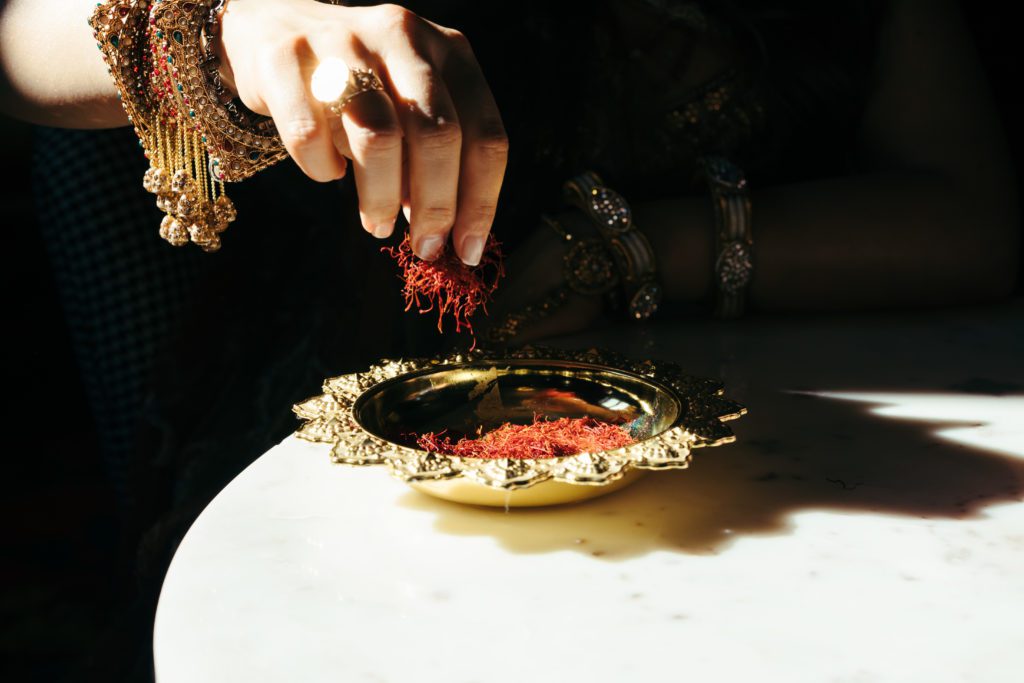
It is one of the most valuable spices in the world, as it takes approximately 150 flowers to extract one gram of dried saffron. Saffron is very rich in antioxidants with numerous benefits for hair health such as: resistance, slowing down the aging of hair, fixing color, soothing effect and also a natural antibacterial for the scalp. According to Ayurvedic medicine, saffron also has the power to balance the vata (ether and air), pitta (fire and water) and kapha (water and earth) doshas. which symbolize the physical manifestation of the 5 elements present in our body (ether, air, fire, water and earth). Organic saffron is present in the Panchali range, the basis of the treatment we recommend for hair with oily roots and dry ends.
PANCHALI: SHE WAS AN ANCIENT INDIAN QUEEN AND REPRESENTS A TRIBUTE TO WOMEN
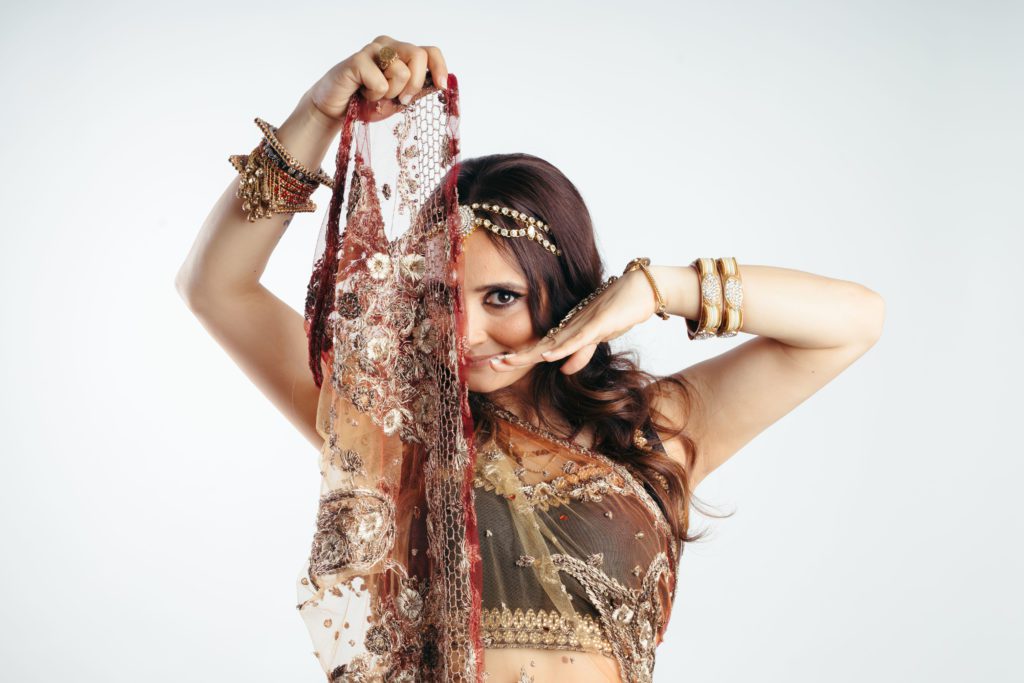
This name was chosen to pay homage to the power of women. Panchali was a very charismatic queen in the millenary history of Hindu philosophy who, even then, defended the ideals of women. Her father didn’t want a girl, he wanted a boy. And even throughout her life she always fought for everything she believed in, and always said that her fight was to represent all women and not just her, and she always did so in a respectful and positive way. That’s why we decided to pay tribute to her, and at the same time bring up this topic that is still so important for all women today.
HOW TO TREAT THIS PROBLEM?
An oily scalp with dry ends can seem like a difficult combination to resolve, leading to many doubts about the source of this problem and the products to use. In some cases, all you have to do is change a few habits, such as cleansing your scalp once or twice a week or avoiding excessive use of heat tools.
However, in most situations, it is necessary to carry out a more complete treatment that takes into account both the scalp and the middle and ends of the hair, and not just focus on the oiliness of the scalp. We recommend that the products used are as natural as possible and enriched with natural oils. It is important to use a gentle, moisturizing shampoo and conditioner. We also recommend using a moisturizing and strengthening mask to treat the mid-lengths and ends, and a specific treatment to purify the scalp.
1. TREATMENTS FOR HAIR WITH AN OILY SCALP AND DRY ENDS
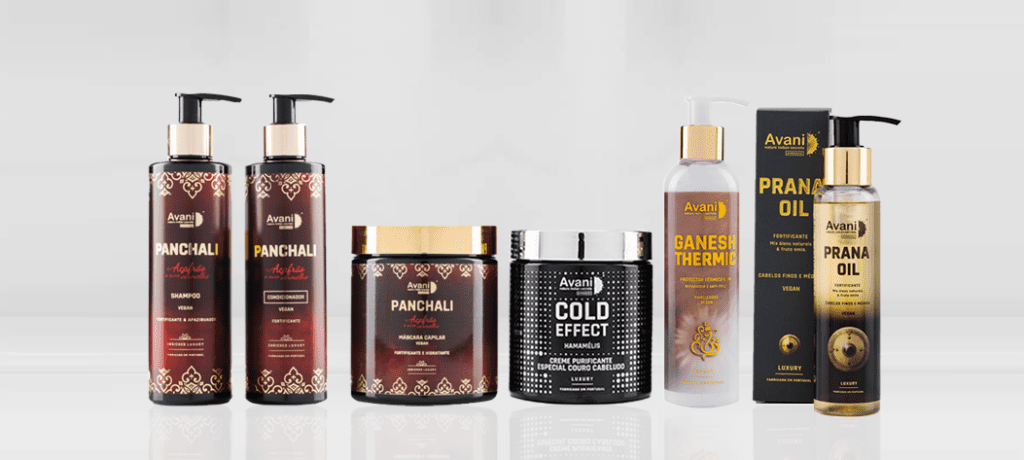
This treatment includes:
Panchali Shampoo: with 98% ingredients of natural origin, it cleanses the scalp very gently, removing excess oil without stripping the hair of its natural characteristics.
Cold Effect Purifying Cream: helps control excess oil, impurities, irritation, itching and balances the scalp’s microbiota.
Panchali Mask: enriched with 99% ingredients of natural origin, it nourishes the entire length of the hair fiber, preventing dehydration. It doesn’t weigh hair down and gives density and strength to the hair fiber.
Panchali Conditioner: has a nourishing effect, seals the cuticles and prevents the ends from becoming too dry and brittle. It is also enriched with more than 99% ingredients of natural origin and is weightless.
Ganesh Thermic: with repairing properties, it conditions and detangles hair, making it easier to use brushes and thermal tools, helps maintain the style and prevents split ends. Does not weigh hair down.
Prana Oil: rich in many natural oils, it helps to nourish the mid-lengths and ends of the hair, providing visible health as well as protection, strength and resistance. Contributes greatly to the problem of dry ends.
How are these products applied?

1
Massajar continuamente o Shampoo Panchali no couro cabeludo com a ponta dos dedos até o sentir limpo. Enxaguar bem. Repita o procedimento. Nota: Não esfregar o shampoo nos meios e pontas, basta fazer movimentos verticais enluvando a espuma até às pontas para não o agredir.
2
Após tirar o excesso de água, aplicar a máscara madeira a madeixa. Deixar actuar pelo menos durante 4 minutos e enxaguar.
3
Aplicar o Condicionador nas pontas para uma selagem perfeita, deixar actuar um minuto e depois enxaguar bem.
4
Fora do banho, após a lavagem capilar, colocar uma quantidade equivalente a uma ervilha do leite Ganesh Thermic na palma das mãos, espalhar bem como se fosse um creme de mãos e distribuir nos cabelos insistindo nos meios e pontas para evitar a sua desidratação.
5
Já em cabelos secos colocar uma quantidade equivalente a uma ervilha na palma das mãos, espalhar bem como se fosse um creme de mãos e distribuir nos cabelos insistindo nos meios e pontas. Deve preferencialmente ser aplicado uma vez diariamente.
6
Aplique o Creme Purificante Cold effect uma vez por semana. No dia em que o aplicar faço-o depois do shampoo e antes da máscara. Aplique-o no couro cabeludo com a ajuda de um pincel ou espátula. Massaje bem. Sem enxaguar, aplique em simultâneo a máscara capilar Panchali nos meios e pontas. Deixe atuar ambos durante 4 minutos. Enxaguar bem.
For hair that needs a more in-depth treatment, a professional and personalized hair diagnosis is recommended – visit our space in Lisbon or call 917864111 for an appointment.
Alternatively, send a private message to schedule a hair analysis to be carried out online via video-call.


